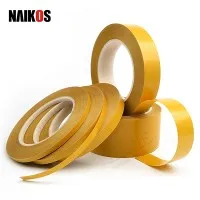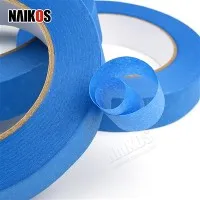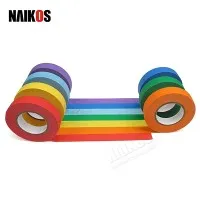

In exterior wall construction, Lacquer masking tape directly determines the final quality and aesthetics of the project. Ordinary tape or the wrong choice of masking tape can lead to blurred color separation lines, pulled-up paint film, or even disastrous consequences that ruin the overall effect of the stone paint.
Lacquer masking tape is not ordinary office or home tape. It is a high-performance masking tool designed to handle the harsh environment of stone paint application (especially thick, granular stone paint). Its "specialization" is mainly reflected in the following aspects: Medium to high strength adhesion: It must ensure firm adhesion to rough, uneven stone-painted substrates, resisting wind damage, while also preventing damage to the dried paint film due to excessive adhesion when removed.
Excellent substrate adaptability: It has good adhesion performance to commonly used stone paint substrates such as cement walls, putty layers, and crack-resistant mortar.
Precise Boundary Lines: The tape edges are precisely treated to effectively prevent thick paint from seeping through, ensuring straight, clear, and burr-free color separation lines.
Weather Resistance and UV Resistance: Outdoor construction may face challenges such as sun exposure and temperature fluctuations. Specialized tape offers better stability and is less prone to aging and embrittlement.
Why is it indispensable for stone paint application?
What problems arise from using ordinary masking tape or inferior tape?
Avoiding "Tear-Off Tragedy": Stone paint coatings are thick and form a strong film after drying. Ordinary tape has improper adhesion, easily tearing off the entire paint film, causing irreparable damage. Specialized masking tape is designed with just the right amount of adhesive strength, achieving "easy application, easy removal, and no residue."
Preventing "Color Bleeding Contamination": Stone paint contains a large amount of colored sand and emulsion, resulting in a thick paste. If the tape's sealing performance is poor, the paint will seep underneath, causing blurred color separation lines and severely affecting the appearance. Specialized tape, with its denser paper base and special adhesive process, effectively blocks seepage.
Ensuring construction efficiency: Specialized tape is highly resilient and less prone to breakage under tension, allowing workers to quickly apply it at heights or on complex surfaces, improving overall construction efficiency.
Addressing special color requirements: stone paint, as well as dark or vibrant stone paints, requires higher masking standards because any color bleeding will be very noticeable. Specialized tape is the cornerstone for ensuring the perfect presentation of these demanding projects.
How to scientifically select lacquer masking tape?
Faced with a dazzling array of products on the market, remember the following key points:
Check the adhesion grade: Choose a "medium tack" or "high tack" model. Specific requirements need to be tested based on the thickness of the stone paint and the flatness of the substrate.
Test substrate adhesion: Before application, take a small piece of tape, stick it to the actual wall surface, press firmly, let it sit for a while, and then peel it off. Check the adhesion strength and the condition of the wall surface after removal.
Check the paper backing and adhesive: High-quality tape has a uniform paper backing, good toughness, and is not easily torn. The adhesive is evenly applied and has no irritating odor.
Inquire about weather resistance: Consult the supplier for the optimal application and removal window for the tape. Generally, it needs to be removed promptly after the stone paint is sprayed but before it is surface dry (the specific time depends on the weather).
Professional Application Techniques and Precautions
Application Timing: Ensure the substrate to be applied (such as the undercoat at joints) is completely dry, clean, and free of dust and oil.
Firming the Edges: After application, be sure to firmly press the edges of the tape with a scraper or your fingers, especially on rough stone paint surfaces, to ensure a tight seal.
Removal Timing: This is the most crucial step! It must be removed when the stone paint surface is dry but not completely dry inside. This is usually within 1-2 hours after spraying (adjust according to temperature and humidity). Waiting until it is completely dry before removing it can easily damage the paint film.
Peeling Angle: Tear slowly backward at a 45-degree or 180-degree angle, avoiding a sharp 90-degree pull to reduce stress on the paint film edges.
Lacquer masking tape, though a small material, carries a heavy responsibility. It is the unsung hero ensuring smooth lines, distinct colors, and a high-end, sophisticated overall effect on building exterior walls. Remember the word "dedicated" and strictly follow the construction specifto truly achieve the perfect finish of stone paint buildings.