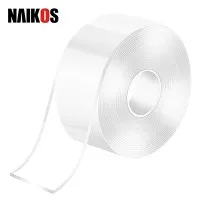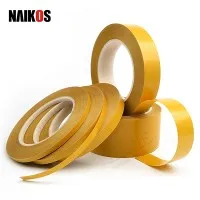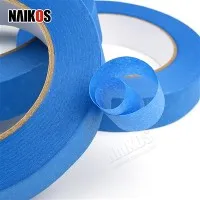

In the world of artistic handicrafts and design, one product, colored washi tape, has captured the hearts of countless people with its vivid hues, variety of patterns, and remarkable adaptability. What is the appeal of colorful washi tape, from its original industrial purpose as a masking tool to its current position as a star product in the creative and cultural world?
Washi paper is the main ingredient in colored washi tape, a decorative tape. Traditional Japanese paper, known for its strength, flexibility, and long fibers, is called washi paper. It has several important advantages over conventional plastic tape, including:
Easy to tear off and apply: It is typically simple to use without the need for scissors.
Reusable: The majority of colored washi tape has a moderate adhesive that allows for numerous repositionings and leaves little residue on most surfaces after removal.
Writable and printable: Washi paper's surface makes it simple to write on and print on, enabling the creation of elaborate and exquisite designs.
Eco-friendly material: It is more biodegradable than plastic tape because its primary ingredient is paper pulp.
Examining the Components and Production Methods of Colored Washi Tape
Superior materials and intricate procedures are necessary to produce colored washi tape of superior quality.
Base Material (Washi): This is the soul of the product. High-grade colored washi tape uses genuine Japanese washi paper, which has a dense texture and a unique rough-edged effect when torn. Some products on the market use kraft paper or specialty paper with imitation washi paper processing techniques, controlling costs while maintaining quality.
Adhesive: This is key to the experience. The adhesive viscosity is carefully formulated to ensure a strong bond while allowing for easy removal without leaving any residue. This is a measure of the quality of colored washi tape.
Main Applications of Colored Washi Tape
The uses of colored washi tape have long surpassed "sticking" itself; it is also a medium for decorative art and emotional expression.
Journaling: This is its most classic application. Used to decorate diaries, plan schedules, and divide pages, making mundane text come alive and interesting.
Gift Wrapping & Decoration: Use it to embellish greeting cards and seal gift boxes to instantly elevate the sophistication and originality of presents.
Home décor and do-it-yourself projects: Add color and character to living areas at a little cost by decorating walls, switches, picture frames, vases, etc.
Enhancement of Stationery and Office Supplies: Make studying and office work more enjoyable by adorning laptop covers, marking folders, and decorating pen barrels.
Support for the Design Industry: Physical samples of colored washi tape are frequently used by graphic designers and UI/UX designers to create mood boards.
How Can I Pick the Best Colored Washi Tape?
Selecting the best product from the dazzling selection available on the market is essential. Please be mindful of the following:
Smell: A strong chemical smell shouldn't be present in high-quality colored washi tape.
Test Adhesion: After application, is it securely adhered? Is it simple to get rid of without leaving a trace? A little piece of paper can be used for testing.
Verify Pattern Clarity: Are the colors vivid, the printed pattern clear, and the registration accurate?
Test tearability: Can it be easily torn in a straight line? Are the edges neat or have a nice frayed edge?
Future Trends in the Colored Washi Tape Industry
With the rise of personalized consumption, the colored washi tape industry is also showing new trends:
IP Collaborations and Themed Series: Collaborating with popular anime, artists, museums, etc., to launch themed tape series, stimulating the desire to collect.
Special Process Innovation: Special effect tapes such as gold foil stamping, silver foil stamping, laser engraving, glow-in-the-dark, transparent base, and irregular die-cutting are becoming increasingly popular.
Sustainability and Environmental Protection: "Green" colored washi tapes using recycled pulp and environmentally friendly water-based adhesives will be more favored by the market.
More than just a roll of tape, colored washi tape embodies creativity, beauty, and the warmth of life. We can choose and use it more effectively if we are aware of the industrial expertise that underpins it. This will enable these tiny, colorful rolls to blossom with countless possibilities in our hands.